 Giving and helping others are wonderful things. We are appreciated when we give to others through charity, volunteer work, or other acts of kindness; and rightly so. When we can help another person in some way, it creates a spirit of goodwill, and it’s one of the single most important acts we can do for our own happiness.
What’s often overlooked though is how much consciousness, caring, time, money, and energy each one of us already puts into significantly helping other people every day – through the work we do.
Every hour we’ve spent in a classroom, in an internship, and at work is an hour we’ve spent honing and perfecting our skills. Every dollar we’ve spent for tuition, books, seminars, travel – and of course those most expensive of seminars, the cost of failure or loss that has added to our wisdom – is a dollar we’ve spent investing in our ability to do our work well.
And every ounce of energy we’ve spent thinking about, worrying over, creating ideas for, and sweating through hard work and difficult times is an ounce of energy that increases our ability to provide some kind of product or service to another human being.
It’s popular these days to dismiss all this because we’re doing it for the money; as though earning money cheapens our efforts, makes our efforts base, selfish, or materialistic.
But earning a living from what we do makes it possible and reasonable for us to do it. When demagogues lecture young college graduates to forego making money, and instead to do something else that helps people, they are telling them that what we do to make money does not help people.
This, of course, is exactly the opposite of the truth.
Read more...







 Join the forum discussion on this post



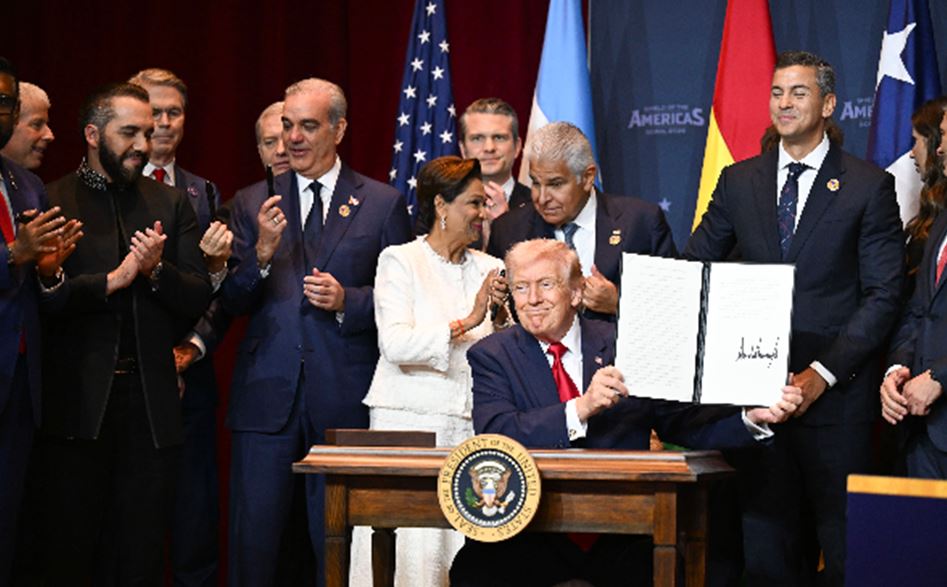
 There is a strange spectacle unfolding in American politics. The Democratic establishment calculatingly spends its dwindling energies bowing to its growing and increasingly radical left wing that has openly declared its intention to replace it.
 For years, certain free-market conservatives have dismissed Social Security as a bankrupt, compulsory government Ponzi scheme.
 She’s the Scrappy-Doo of corporate mascots — a cloying, cringeworthy new character that repulses the target audience.